
Last updated
How Often Does a Septic Tank Need Cleaning?
Three to five years covers most households, but that range moves depending on your tank size and how many people are flushing daily. A family of six on a smaller tank will need service more often than two people on a large one, and our septic tank cleaning crews see this pattern constantly. Lexington-Fayette Porta Pros bases the interval on tank size, household size and water use, not a flat calendar date. If you are not sure what size tank you have, that matters more than the year on your last invoice. Garbage disposals push more solids into the tank and shorten the interval too, which is worth checking against our how many porta potties do I need guide if you are running a renovation alongside a septic job. For a full breakdown of what drives the schedule, see how often to pump a septic tank alongside our septic pumping service page, and check septic tank warning signs if you are noticing slow drains right now. Homes on well water tend to use more water overall, which can push the interval shorter, and any construction site services project on the same property should plan around that. If your property has a garbage disposal running daily, plan on the lower end of that 3 to 5 year window rather than the higher end.
What Affects Septic Tank Cleaning Frequency?
Tank size versus household size is the biggest factor. A small tank serving a big family fills faster than a big tank serving two retirees. Water usage matters just as much: long showers, laundry days and a leaking toilet all add volume the tank has to handle. Commercial kitchens are a separate case entirely, closer in spirit to a dumpster rental cost decision than a home septic schedule. A grease interceptor gets pumped once fats, oils, grease and solids reach 25 percent of the liquid depth, which can happen well before any calendar-based schedule kicks in. If you run a restaurant or commercial kitchen in Lexington-Fayette, check our grease trap pumping page rather than treating it like a home septic tank. Renovation projects also change the math, and a storage container rental on site can help keep tools and materials clear of the drain field work area. A home renovation porta potty takes pressure off the house septic system while contractors and family are both using the bathroom, and it is worth pairing with septic tank cleaning before a big project starts, not after.
When Should I Call for Emergency Septic Service?
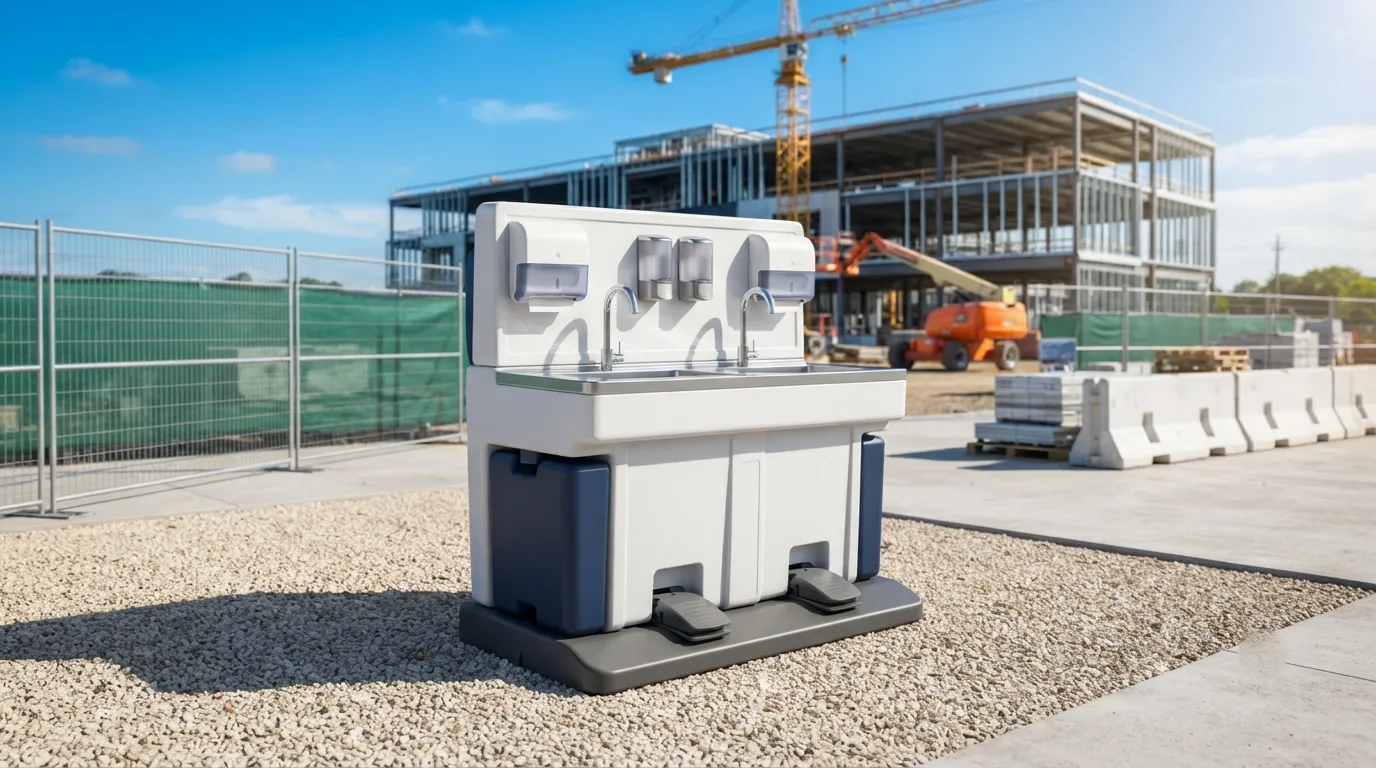
Call the moment you see sewage backing up, standing water over the drain field, or a sink that will not drain no matter what you do. Do not wait for a scheduled visit once it gets to that point, the same way you would not delay calling for emergency porta potty rental on a job site. Lexington-Fayette Porta Pros runs emergency septic service for exactly this kind of situation, and pricing for a same-day septic call typically runs in the $150 to $300 day-rate range depending on scope. If the backup is bad enough that the bathroom is unusable, a short-term porta john rental or a unit from our portable toilet rental lineup keeps the household running while the tank gets pumped and the drain field recovers. Weekend septic calls run higher than a weekday appointment, so if you can catch the warning signs early in the week, it is worth the call, and a look at porta potty rental cost shows the same weekday-versus-weekend pattern. For general cost expectations before you are in a crisis, see septic tank pumping cost.
Do I Need a Holding Tank Instead of Septic?
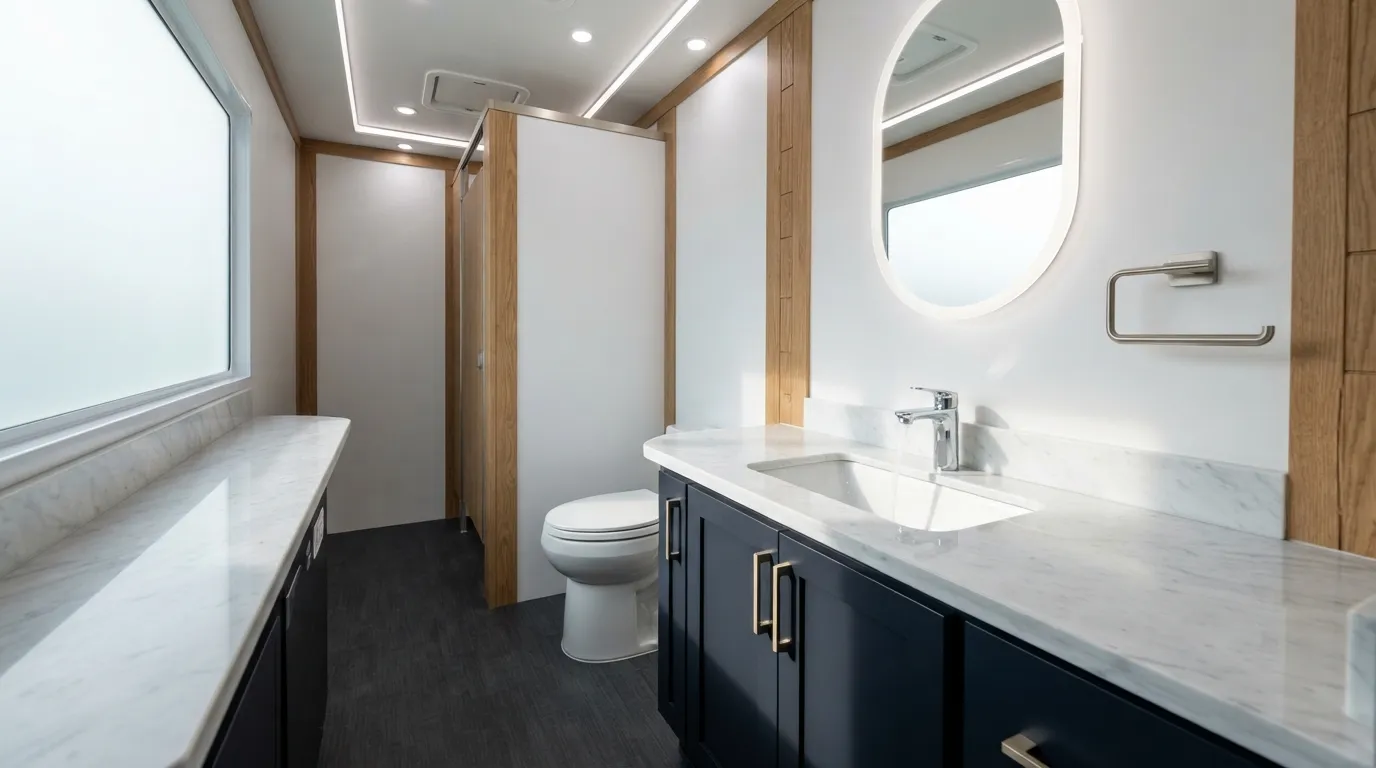
Not usually, but there are cases where a holding tank makes more sense than repairing or replacing a failing septic system, especially during construction or on a property without a working drain field. A holding tank rental gets pumped on a schedule rather than relying on soil absorption, which matters if your Lexington-Fayette lot has drainage problems. Job sites without permanent plumbing often lean on a holding tank paired with portable restroom rental units, sometimes alongside a handwashing station rental for crews, rather than tying into a septic system that was not designed for a construction crew's water use. OSHA 1926.51(a)(1) requires an adequate supply of potable water at all places of employment, and pairing that with proper sanitation keeps a job site compliant under OSHA 1926.51(c)(1). If your crew works within 26.9 miles of Lexington-Fayette in a town like Richmond, the same rules and the same tank-versus-septic decision apply, and a temporary fence rental around the work zone is worth planning at the same time.
| service | duration | typical price |
|---|---|---|
| septic pumping | day | $250 |
| septic pumping | weekend | $100 |
How do I know what size septic tank I have?
Check your last pumping receipt or your county property records, since tank size drives the whole interval, much like planning a monthly porta potty rental starts with knowing your headcount. A 1,000 gallon tank is common for a mid-size Lexington-Fayette household. If you cannot find the record, ask the technician to measure it at the next pumping and write it down for next time.
Can I extend the time between septic pumpings?
Cutting water use and avoiding a garbage disposal both help stretch the interval toward the 5 year end rather than the 3 year end. Fixing leaks fast matters too. It will not eliminate the need entirely, but it slows how fast solids accumulate in the tank.
What happens if I skip septic pumping too long?
Solids overflow into the drain field, which can mean a full field replacement instead of a routine pump-out. That repair costs far more and takes longer. Watch for slow drains or wet spots in the yard as early warning signs before it reaches that point.
Does a garbage disposal affect pumping frequency?
Yes. Disposals send more solid waste into the tank than a household without one, which shortens the interval. If you use yours daily, plan for the 3 year end of the range rather than 5, and mention it when scheduling service.
Is septic pumping different from a portable holding tank pump-out?
Yes. A residential septic tank sits in the ground and gets pumped every 3 to 5 years based on use. A holding tank has no drain field and needs pumping on a set schedule tied to volume, common on construction sites and temporary setups around Lexington-Fayette.
Next step
Get a delivery date
Tell us the address, the dates and the headcount. We size the order and confirm the route.